
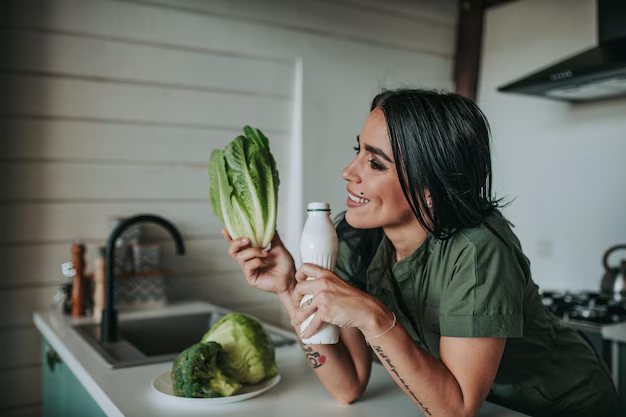
Introduction to Organic Grocery Shopping
Going organic isn’t just a food trend—it’s a conscious lifestyle choice. More people are filling their carts with foods grown without synthetic pesticides, GMOs, or harmful additives. But with so many labels, price tags, and options, how do you shop smart for organic groceries without overspending or feeling overwhelmed?
Let’s walk through a complete guide that makes organic grocery shopping easy, budget-friendly, and healthy.
Why Organic Matters
Organic food is grown using natural farming methods, without harmful synthetic chemicals. This means fewer toxins in your body, better nutrient retention, and a smaller environmental footprint.
Understanding the Organic Label
Not all “organic” labels mean the same thing. Knowing the difference will save you from falling for clever marketing tricks.
USDA Organic Certification
In the U.S., “USDA Organic” means the product meets strict government standards—no synthetic fertilizers, no genetically modified organisms (GMOs), and limited use of approved pesticides.
Other International Standards
If you’re shopping globally, look for the EU Organic logo, Canadian Organic seal, or Australia’s NASAA Certified Organic mark.
Benefits of Organic Food
Health Benefits
Organic foods may contain higher antioxidants and fewer pesticide residues. For sensitive groups like children and pregnant women, this can make a big difference.
Environmental Impact
Organic farming supports healthier soil, cleaner water, and more biodiversity.
Supporting Local Farmers
Many small-scale farmers adopt organic practices even if they can’t afford official certification. Buying from them boosts your local economy.
Common Organic Grocery Categories
Organic Fruits and Vegetables
These are the heart of organic shopping. Especially prioritize those on the Environmental Working Group’s (EWG) “Dirty Dozen” list.
Organic Dairy and Eggs
Look for pasture-raised and hormone-free options for better quality and taste.
Organic Meat and Poultry
Animals are raised without antibiotics or synthetic hormones and fed organic feed.
Organic Pantry Staples
Items like organic rice, lentils, pasta, and flour are great for bulk buying.
Organic Snacks and Beverages
From organic coffee to pesticide-free chips, even your treats can be healthier.
How to Identify Genuine Organic Products
Reading Product Labels
Check for third-party certifications, ingredient lists, and expiration dates.
Understanding “100% Organic” vs. “Made with Organic Ingredients”
-
100% Organic: All ingredients are organic.
-
Organic: At least 95% organic ingredients.
-
Made with Organic Ingredients: At least 70% organic ingredients.
Recognizing Common Misleading Terms
Phrases like “natural,” “eco-friendly,” or “farm fresh” aren’t regulated—so don’t mistake them for organic.
Smart Organic Grocery Shopping Tips
Make a Shopping List
Avoid impulse buying by sticking to a plan.
Shop Seasonally
Seasonal organic produce is fresher, cheaper, and tastier.
Buy in Bulk
Pantry staples and grains can be bought in larger quantities for long-term savings.
Compare Prices
Not all organic products are priced equally—store brands can be just as good as big names.
Use Farmers’ Markets and Co-ops
Fresh, affordable, and often from local sources.
Saving Money on Organic Groceries
Prioritize “Dirty Dozen” and “Clean Fifteen”
Buy the “Dirty Dozen” list organic (like strawberries and spinach) and get “Clean Fifteen” items conventionally (like avocados and onions).
Store Brands vs. Premium Brands
Many supermarket brands meet the same standards but cost less.
Coupons and Loyalty Programs
Sign up for store apps to get discounts on organic products.
Common Myths About Organic Shopping
“Organic is Always More Expensive”
Not always—seasonal, local, and bulk buys can match conventional prices.
“Organic Means Chemical-Free”
Organic farming uses natural or approved pesticides, but in safer amounts.
“Local Food is Always Organic”
Local doesn’t guarantee organic—ask your farmer about their growing practices.
Conclusion
Organic grocery shopping doesn’t have to be intimidating or expensive. Start with small changes—switch your most pesticide-heavy foods to organic, explore local farmers’ markets, and learn how to read labels. Over time, your kitchen will be stocked with wholesome, sustainable food that’s good for you and the planet.
FAQs
1. What foods should I always buy organic?
Items from the “Dirty Dozen” list like strawberries, spinach, and grapes.
2. Is organic food healthier than non-organic?
It often has fewer pesticides and higher antioxidant content.
3. Are organic products free from pesticides?
Not entirely, but they use safer, natural alternatives.
4. How do I know if a store truly sells organic products?
Check for certification logos like USDA Organic or EU Organic.
5. Is frozen organic produce as good as fresh?
Yes—freezing preserves nutrients, so it’s a good alternative when fresh isn’t available.
Please don’t forget to leave a review.
Post a Comment